
Long Sleeve vs Short Sleeve Rash Guards: The Ultimate Guide for BJJ, MMA, and No-Gi Training

Rash guards are essential gear for grapplers, MMA fighters, and combat sports enthusiasts. Choosing between long sleeve and short sleeve rash guards is more than a style preference—it directly impacts performance, protection, mobility, and comfort. In this comprehensive guide, we explore every detail you need to make the best decision for your training, competition, and lifestyle.
Understanding Rash Guards: Function and Purpose
Before diving into sleeve options, it’s crucial to understand the purpose of a rash guard. Rash guards are designed to:
-
Provide skin protection against mat burn, friction, and abrasions.
-
Maintain hygiene by reducing exposure to bacteria and fungi on shared mats.
-
Improve mobility and performance with compression and four-way stretch fabric.
-
Manage moisture and sweat, keeping athletes dry and comfortable.
-
Offer temperature regulation, keeping muscles warm in cooler environments and cool in hotter conditions.
Every rash guard, whether long sleeve or short sleeve, is a technical garment engineered for training and competition. The differences in sleeve length define their specialization for specific environments, techniques, and athlete needs.
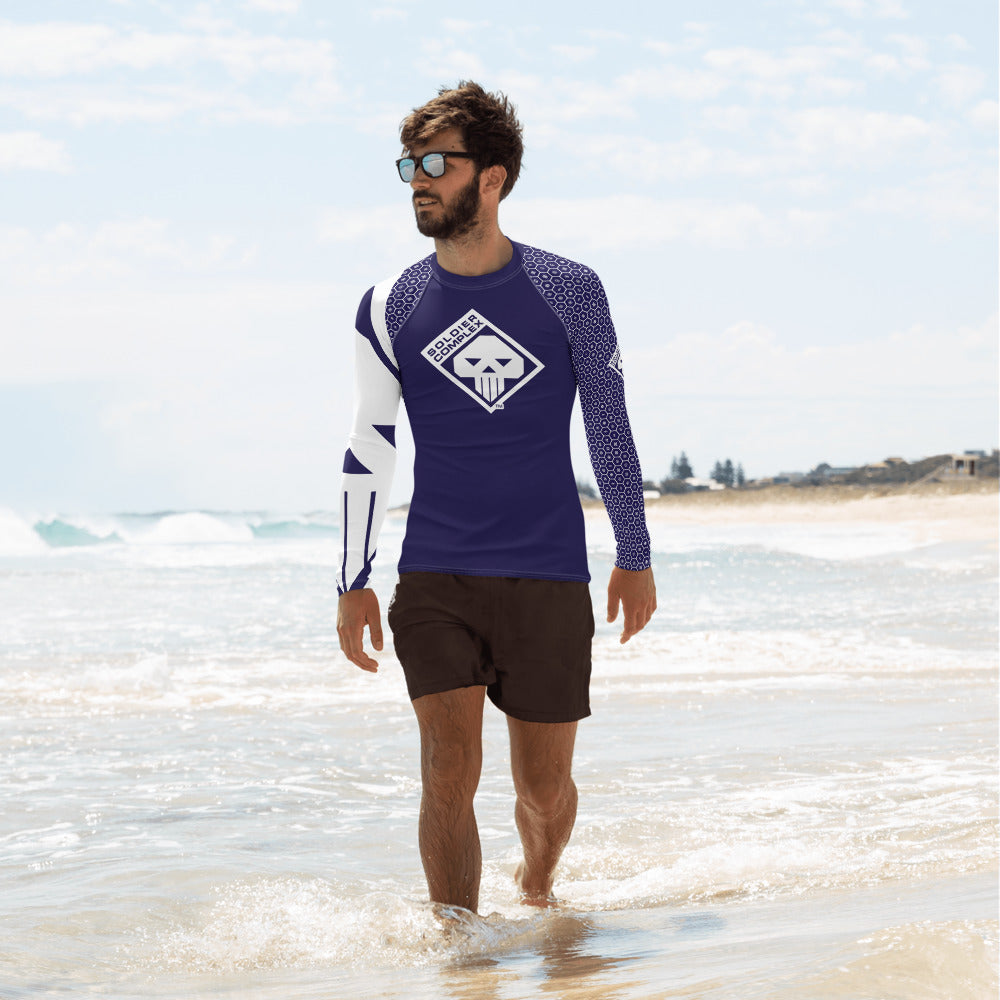
Long Sleeve Rash Guards: Maximum Coverage and Protection
Full-Body Skin Protection
Long sleeve rash guards provide complete arm coverage, reducing the risk of mat burns, scratches, and friction injuries during intense rolling sessions. This is particularly important for Brazilian Jiu-Jitsu practitioners, wrestlers, and MMA grapplers who spend extensive time in close contact with mats and training partners.
Enhanced Grip Defense
The long sleeves create a slight friction barrier for opponents trying to grip the arms during no-gi grappling. This feature adds a strategic advantage, especially for competitive athletes who need every edge in scrambles and guard retention.
Thermal Regulation
In cooler environments or air-conditioned gyms, long sleeve rash guards retain heat, keeping muscles warm and flexible. This reduces injury risk and enhances joint mobility during takedowns, transitions, and submission attempts.
Compression and Muscle Support
Long sleeve designs maximize torso-to-arm compression, supporting muscles in the shoulders, biceps, and forearms. This compression improves circulation, endurance, and recovery during long rounds and high-intensity sessions.
Design and Style Options
Modern long sleeve rash guards offer sleek designs and team branding without sacrificing performance. They combine style with utility, ensuring you look professional while benefiting from full coverage.
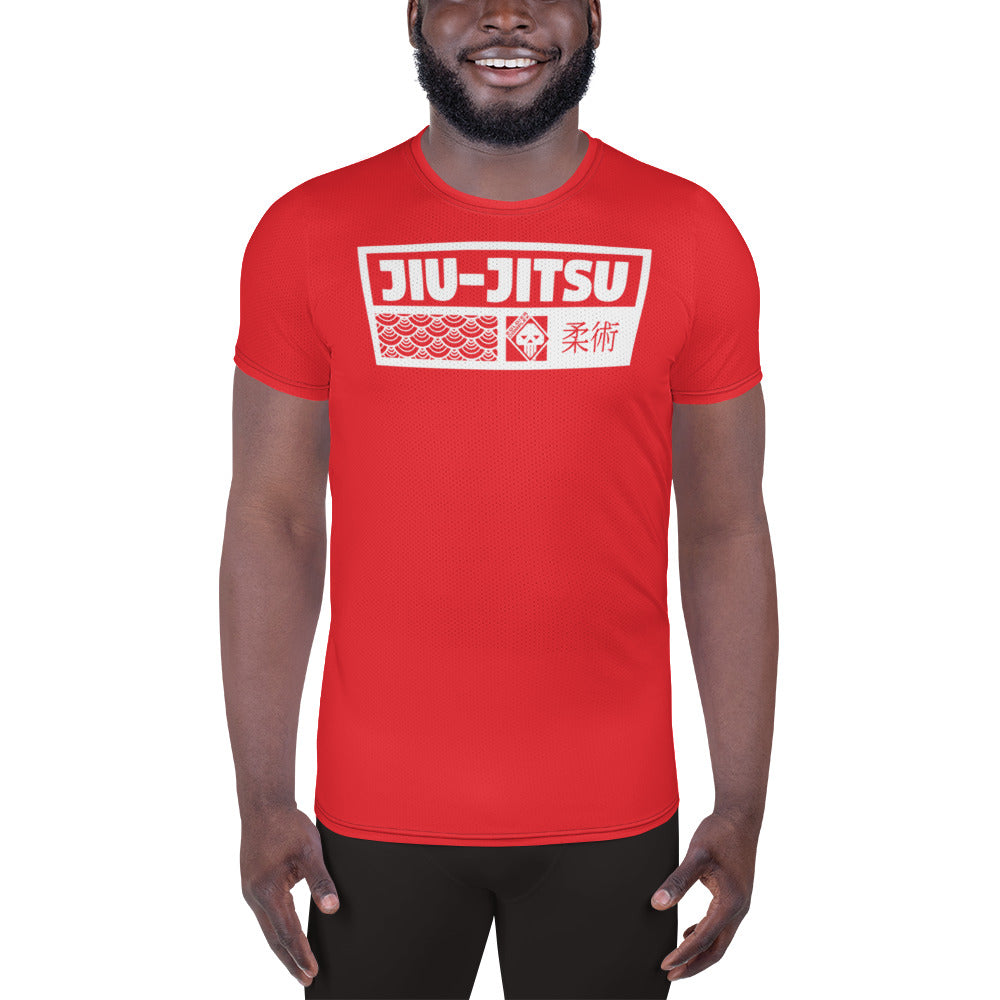
Short Sleeve Rash Guards: Mobility, Ventilation, and Versatility
Enhanced Range of Motion
Short sleeve rash guards free the shoulders and upper arms, allowing maximum mobility for striking, scrambling, and dynamic movement. This is ideal for MMA fighters, jiu-jitsu practitioners in fast-paced no-gi sessions, and fitness athletes performing explosive drills.
Optimal Ventilation
Less fabric means improved airflow, reducing sweat accumulation and keeping the body cooler. Short sleeves are preferred in hot climates, outdoor training, or high-intensity conditioning, where overheating can impair performance.
Ease of Layering
Short sleeve rash guards are versatile under gis, jackets, or protective gear. They can be paired with compression sleeves or elbow guards for athletes who need additional protection without restricting arm mobility.
Comfort During Extended Training
For athletes with long training sessions, short sleeve rash guards reduce friction at the armpits and elbows, decreasing irritation and improving overall comfort.
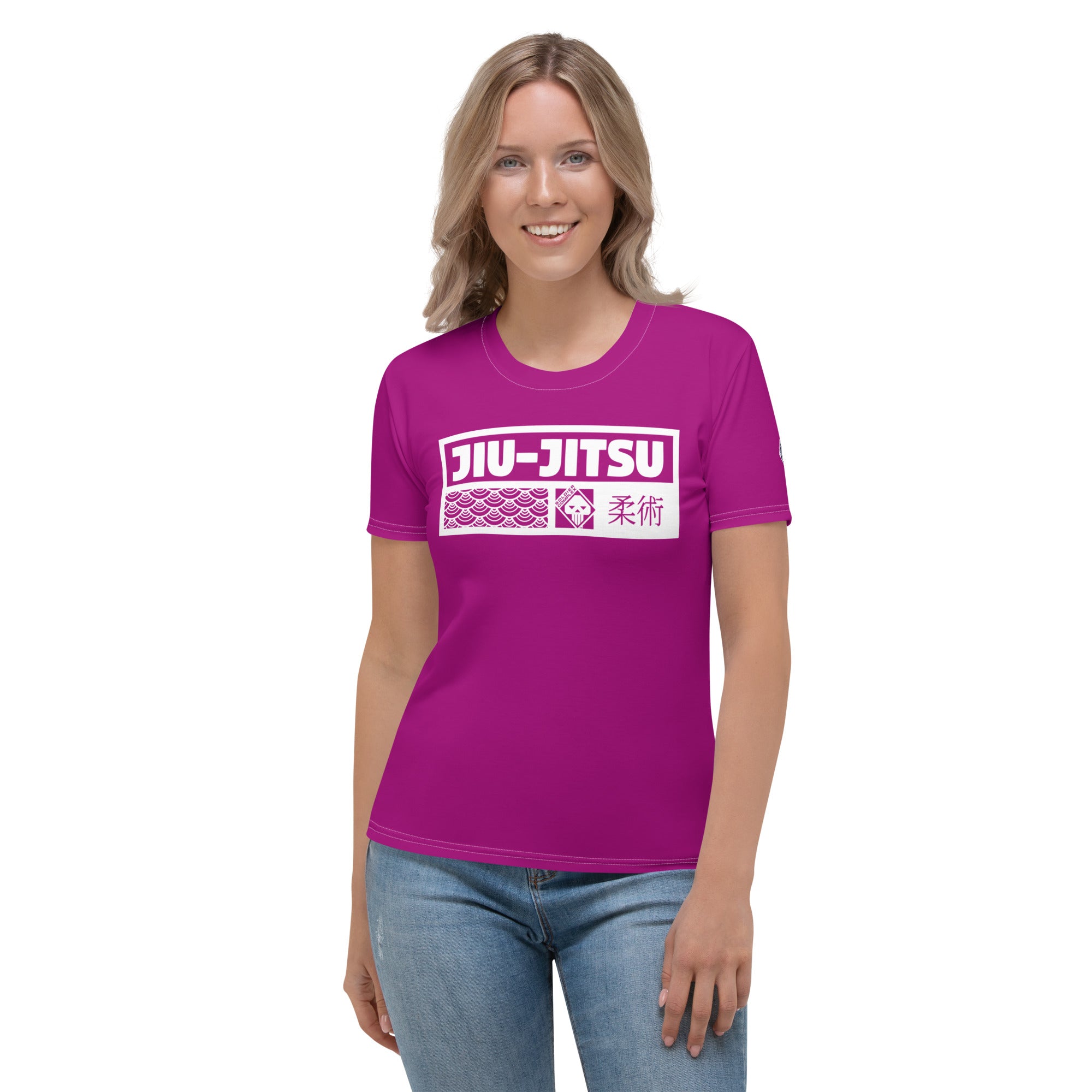
Choosing Between Long Sleeve and Short Sleeve Rash Guards
Training Environment
-
Cool or air-conditioned gyms: Long sleeves for warmth and skin protection.
-
Hot, high-intensity environments: Short sleeves for ventilation and comfort.
Training Style
-
No-Gi BJJ and MMA grappling: Long sleeves for grip defense and skin coverage.
-
Striking-focused sessions or functional fitness: Short sleeves for unrestricted movement.
Competition Requirements
-
IBJJF-compliant competitions: Long sleeve rash guards may provide a more polished, uniform look while meeting mat hygiene standards.
-
Non-regulated events: Choose based on personal comfort, mobility, and strategy.
Personal Preference
-
Some athletes prefer the security and coverage of long sleeves, while others value the freedom and airflow of short sleeves. Elite practitioners often rotate between both styles depending on training goals and conditions.
Material Considerations: Performance Fabric Matters
High-quality rash guards, whether long or short sleeve, should feature:
-
Four-way stretch fabric for unrestricted movement.
-
Moisture-wicking properties to keep skin dry and comfortable.
-
Flatlock stitching to prevent irritation and seam failure.
-
Compression zones that support muscles without restricting flexibility.
-
Durable prints and graphics that withstand repeated training and washing.
The fabric determines how snugly the rash guard fits and how effectively it performs under stress.
Fit Guidelines for Both Styles
Torso Fit
-
Should be snug across the chest and abdomen.
-
Compression should support muscles without restricting breathing.
Sleeve Fit
-
Long sleeves: Extend fully to wrists, smooth across elbows, no bunching.
-
Short sleeves: Fit close to the upper arm without constriction, stay in place during movement.
Neckline and Waist
-
Collar should sit flat without digging into the neck.
-
Hem should remain anchored to prevent riding up, maintaining coverage and hygiene.
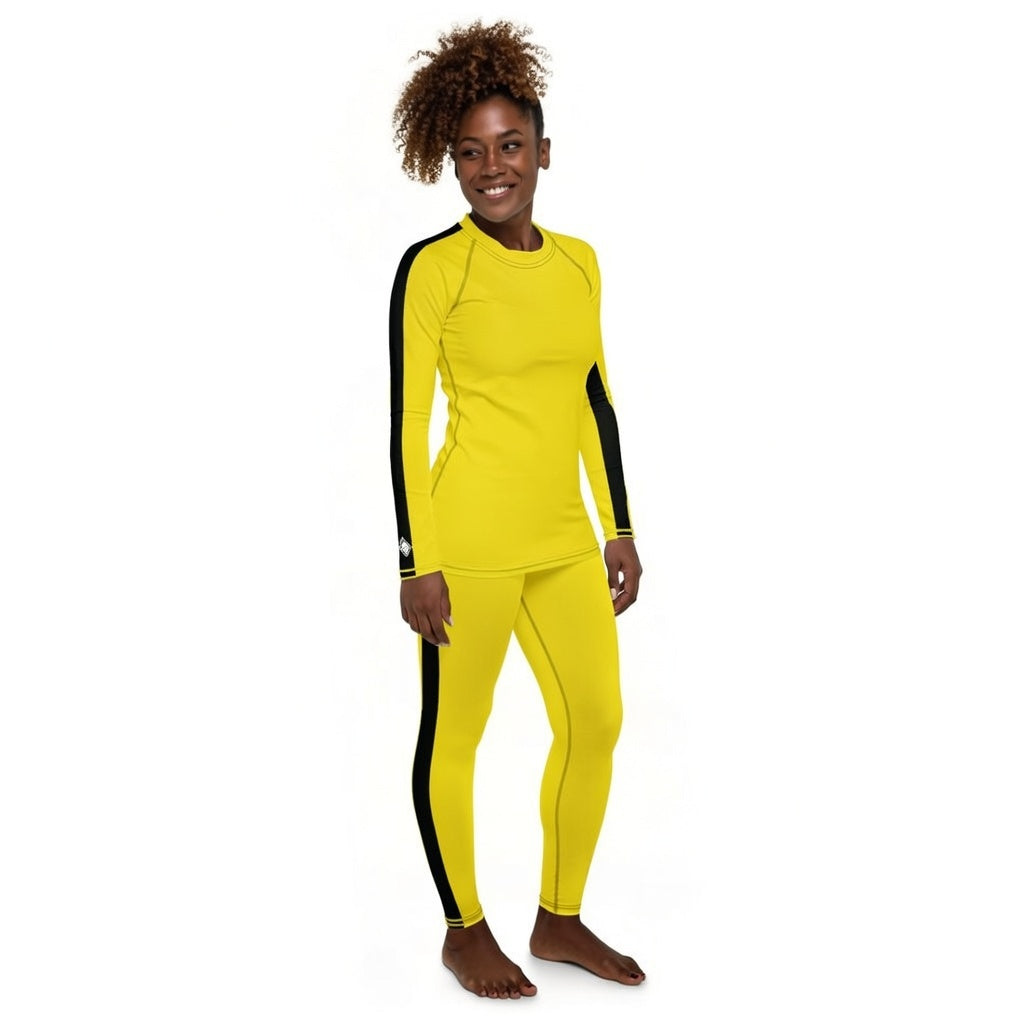
Durability and Longevity
Premium rash guards maintain performance over time. Both long and short sleeve versions must endure:
-
Repeated washing without losing elasticity or compression.
-
Constant friction from mats and training partners.
-
Long-term shape retention for consistent fit and protection.
Choosing high-quality materials ensures your rash guard remains a reliable training companion for years.
Conclusion: Long Sleeve vs Short Sleeve Rash Guards
The choice between long sleeve and short sleeve rash guards is dictated by environment, style, training intensity, and personal preference. Long sleeves maximize coverage, protection, and thermal support, while short sleeves prioritize mobility, airflow, and comfort. Both are indispensable for athletes committed to peak performance, hygiene, and durability in Brazilian Jiu-Jitsu, MMA, wrestling, and other high-intensity sports.
By understanding the key differences and advantages of each style, athletes can make informed decisions that enhance performance, protect the body, and optimize every session on the mats or in the gym.
If you want the best rash guards in the industry --> Soldier Complex BJJ Rash Guards