
What Is the Difference Between Gi and No-Gi? The Complete Guide to Two Worlds of Brazilian Jiu-Jitsu

Brazilian Jiu-Jitsu has evolved into two powerful and highly respected formats: Gi and No-Gi. While both share the same technical foundation, the experience, pacing, strategies, and even the way athletes move and think are dramatically different. When we understand the difference between Gi and No-Gi, we unlock a deeper mastery of grappling, competition, and real-world performance.
This guide delivers a full-spectrum breakdown of Gi versus No-Gi Jiu-Jitsu, allowing us to choose the path that best fits our goals, body type, fighting style, and competitive ambitions.
Gi Jiu-Jitsu: The Art of Control, Grips, and Precision
Gi Jiu-Jitsu uses the traditional kimono consisting of a jacket, pants, and belt. This uniform is not passive—it becomes an active weapon during every exchange.
In the Gi, we use:
-
Lapel grips
-
Sleeve control
-
Pant grips
-
Collar ties
-
Cross grips
-
Belt grips
These grips allow us to immobilize, off-balance, slow, and dominate opponents through fabric-based leverage.
Gi grappling emphasizes:
-
Tactical grip fighting
-
Incremental positional advancement
-
Methodical submission setups
-
Deep guard systems
-
Cloth-based chokes
The Gi creates a chess-like environment, where every grip is a move that either tightens control or opens opportunity.
No-Gi Jiu-Jitsu: The Language of Speed, Athleticism, and Reality
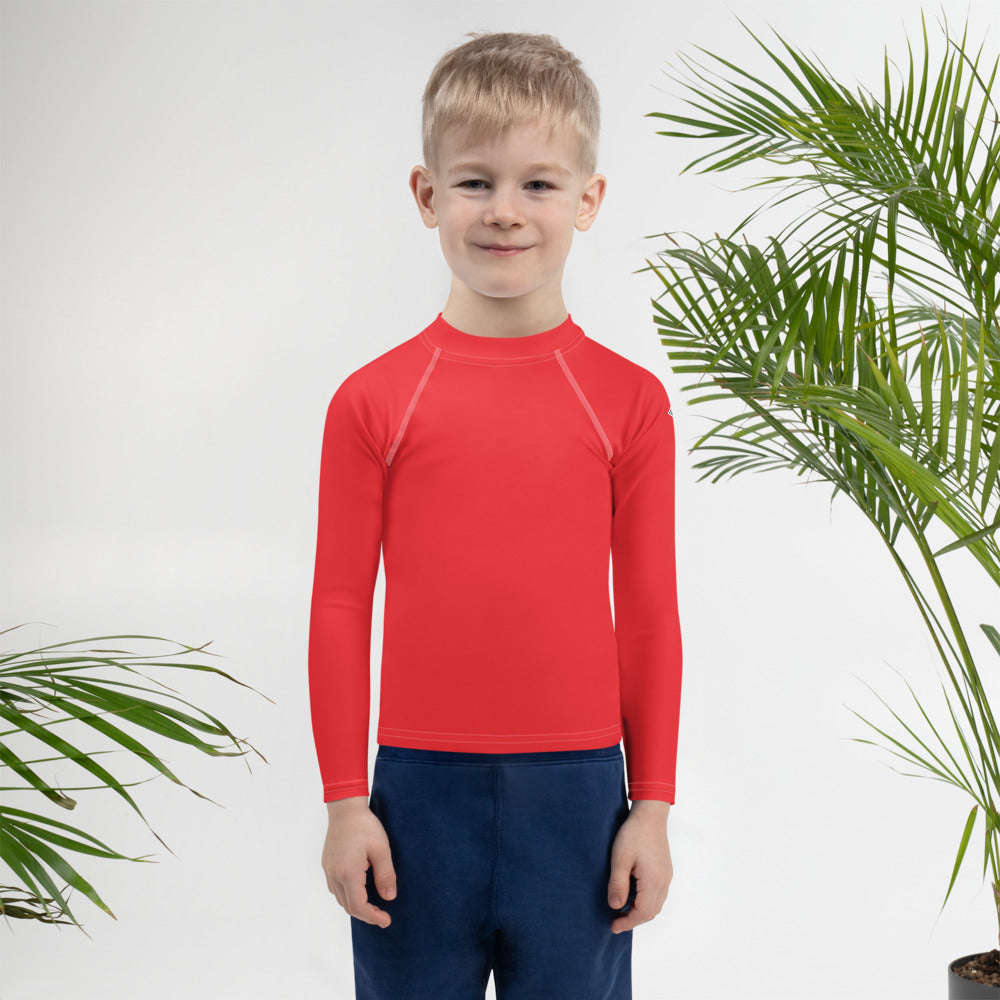
No-Gi Jiu-Jitsu removes the kimono and replaces it with rash guards and compression shorts. Without cloth to grab, we rely on body mechanics, positioning, and dynamic movement.
No-Gi uses:
-
Underhooks
-
Overhooks
-
Wrist control
-
Head positioning
-
Body locks
-
Hip pressure
This creates a grappling style that is explosive, fast, and fluid. No-Gi is built on momentum, transitions, and relentless pressure.
No-Gi emphasizes:
-
Wrestling-based takedowns
-
Scramble control
-
Leg-lock systems
-
Submission chains
-
Real-world applicability
This is the format that dominates MMA, submission-only tournaments, and modern professional grappling.

The Core Difference: Fabric Versus Flesh
The single biggest difference between Gi and No-Gi is what we can grab.
In the Gi, fabric allows:
-
Opponent control without physical strength
-
Slower tempo
-
More complex guard systems
-
Strategic grip sequences
In No-Gi, there is:
-
No cloth to hold
-
Faster pace
-
Constant movement
-
High physical demand
Gi rewards precision and patience.
No-Gi rewards speed and aggression.
Pacing: Slow Control vs Explosive Flow
Gi matches often resemble tactical warfare. We establish grips, create frames, build pressure, and slowly dismantle opponents.
No-Gi matches feel like high-speed combat. Scrambles, takedowns, and submissions happen in rapid succession. A single mistake can lead to immediate submission.
Gi = strategic domination
No-Gi = relentless momentum
Submission Systems in Gi and No-Gi
Gi Submissions
Gi grapplers use the uniform to create devastating control:
-
Cross-collar chokes
-
Loop chokes
-
Bow-and-arrow chokes
-
Spider guard sweeps
-
Lapel traps
The gi becomes a strangulation tool.
No-Gi Submissions
No-Gi focuses on:
-
Guillotines
-
D’Arce chokes
-
Anacondas
-
Heel hooks
-
Kneebars
-
Back-takes
Without cloth, No-Gi athletes rely on anatomy, angles, and timing to finish fights.
Which Builds Better Fighters?
No-Gi produces athletes who are:
-
Faster
-
Stronger
-
More conditioned
-
More adaptable
-
Better suited for MMA and self-defense
Gi produces athletes who are:
-
Technically precise
-
Tactically advanced
-
Grip-dominant
-
Highly controlled
The greatest grapplers train both, but No-Gi builds the kind of movement that works under real-world pressure.
Clothing and Equipment Differences
Gi training requires:
-
Kimono
-
Belt
No-Gi training requires:
-
Rash guards
-
Compression shorts or spats
Rash guards are essential in No-Gi because they:
-
Protect skin
-
Prevent mat burn
-
Reduce bacteria
-
Improve grip defense
-
Regulate temperature
This makes high-quality rash guards as critical as gloves are in boxing.
Competition and Professional Scene
Gi competitions include:
-
IBJJF Worlds
-
Pan Ams
-
European Championships
No-Gi dominates:
-
ADCC
-
WNO
-
Polaris
-
EBI
-
MMA organizations
The global spotlight is now on No-Gi because it delivers faster action, dramatic finishes, and crossover appeal.
Which One Should We Choose?
We choose Gi if we want:
-
Deep technical complexity
-
Tactical control
-
Traditional Jiu-Jitsu mastery
We choose No-Gi if we want:
-
Athletic performance
-
MMA readiness
-
Real-world effectiveness
-
High-speed competition
The smartest path is to train both, but when performance matters most, No-Gi is the modern standard.
Final Word: Two Styles, One Art
Gi and No-Gi are two expressions of the same powerful martial art. One is precision through cloth, the other is domination through movement. Both build champions—but only one mirrors how fights truly happen.
And in No-Gi, what we wear matters.
If you want the best rash guards in the industry --> Soldier Complex BJJ Rash Guards