
How Tight Should a Rash Guard Be? The Definitive Performance Fit Guide for Fighters and Athletes

The way a rash guard fits directly determines how well it performs. In Brazilian Jiu-Jitsu, No-Gi grappling, MMA, wrestling, and high-intensity functional training, rash guard tightness controls everything from muscle support to sweat management, mobility, grip defense, and skin protection. When fit is correct, the garment becomes an extension of the athlete’s body. When it is wrong, it becomes a distraction that sabotages performance.
This guide establishes the true performance standard for how tight a rash guard should be, based on biomechanics, movement patterns, and real-world training demands.
The True Purpose of Rash Guard Tightness
A rash guard is not casual athletic wear. It is a compression performance system designed to:
-
Lock fabric against the skin
-
Eliminate loose material for grips
-
Stabilize muscle tissue
-
Reduce friction and skin trauma
-
Move sweat off the body
-
Maintain body temperature
All of these functions require precise tightness.
Loose fabric defeats the entire purpose of a rash guard. Excessively tight fabric restricts movement and circulation. Optimal tightness exists in a narrow performance window, and that is where serious athletes train.
What “Proper Tight” Actually Feels Like
A correctly fitted rash guard feels:
-
Snug
-
Smooth
-
Supportive
-
Light
-
Unrestrictive
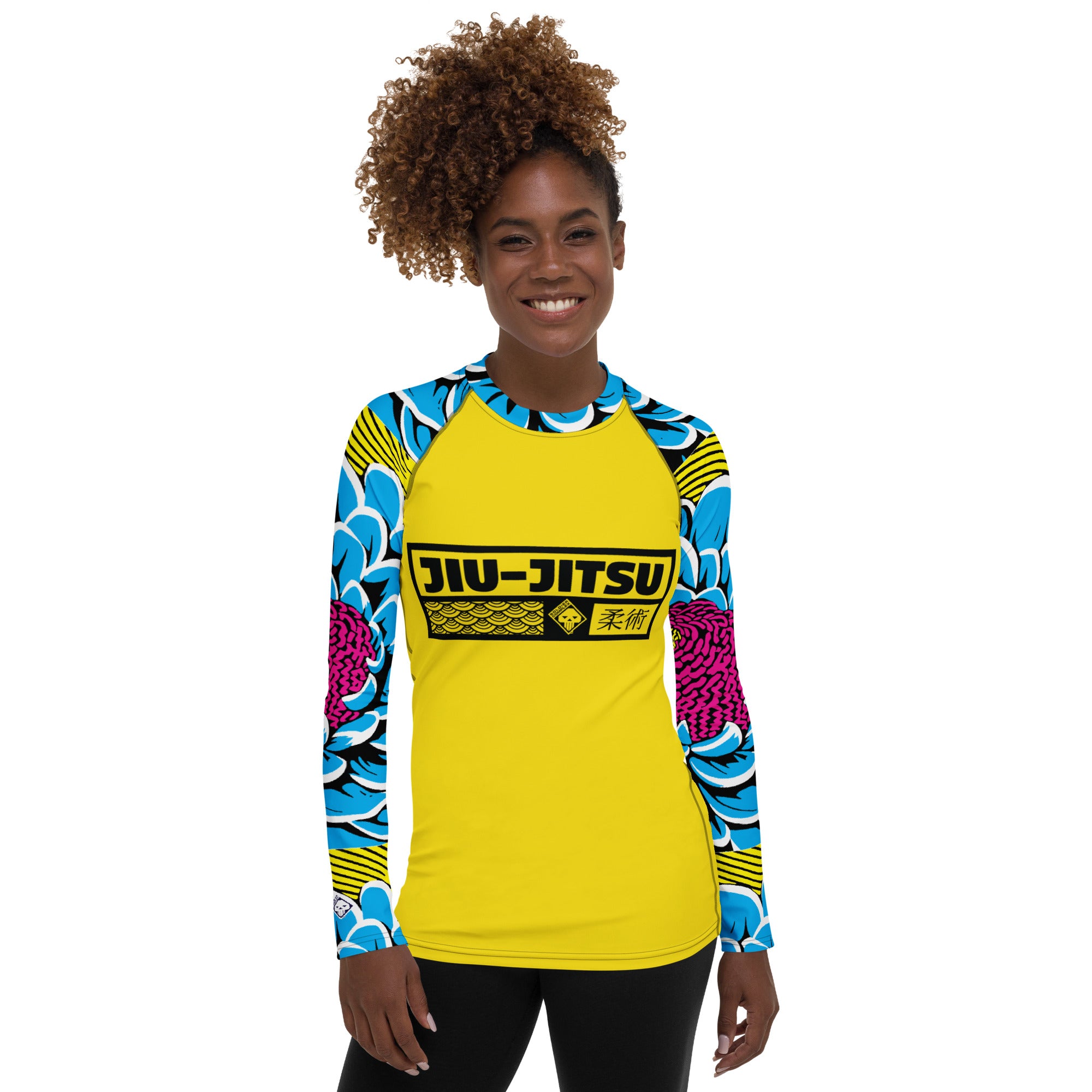
The fabric should sit flush against the skin without wrinkles or folds. It should stretch when you move and instantly return to shape. You should feel mild compression across the chest, shoulders, arms, and torso without any pressure points.
There should be:
-
No fabric bunching
-
No pinching
-
No pulling
-
No rolling at the waist
-
No tightness around the neck
It should feel like a second skin.
The Compression Zone Standard
A rash guard is designed to operate inside three compression zones:
1. Core Zone
This covers the chest, ribs, abdomen, and lower back. This area should feel firm and secure without restricting breathing.
2. Mobility Zone
This includes the shoulders, armpits, and lats. This zone must allow full rotation, extension, and contraction without resistance.
3. Stability Zone
This includes the sleeves, wrists, and waistband. These areas should prevent sliding or shifting without cutting into the skin.
When all three zones are balanced, the rash guard performs exactly as designed.
How Tight is Too Tight?
A rash guard is too tight when:
-
Breathing feels restricted
-
Shoulders feel pulled forward
-
Sleeves dig into the arms
-
The neckline presses into the throat
-
The fabric becomes translucent when stretched
-
You feel constant pressure rather than support
Excessive tightness limits:
-
Oxygen intake
-
Arm mobility
-
Blood circulation
-
Skin health
Compression should be firm but elastic, never rigid.
How Loose is Too Loose?
A rash guard is too loose when:
-
Fabric shifts during movement
-
It bunches at the waist or armpits
-
It wrinkles across the torso
-
Opponents can grab folds of material
-
Sweat becomes trapped instead of evaporating
Loose rash guards increase:
-
Chafing
-
Heat retention
-
Grip vulnerability
-
Skin infections
-
Distraction
Loose fit destroys the purpose of wearing one.
Men’s Rash Guard Tightness Standard
Men’s rash guards are engineered to compress:
-
Chest
-
Shoulders
-
Arms
-
Core
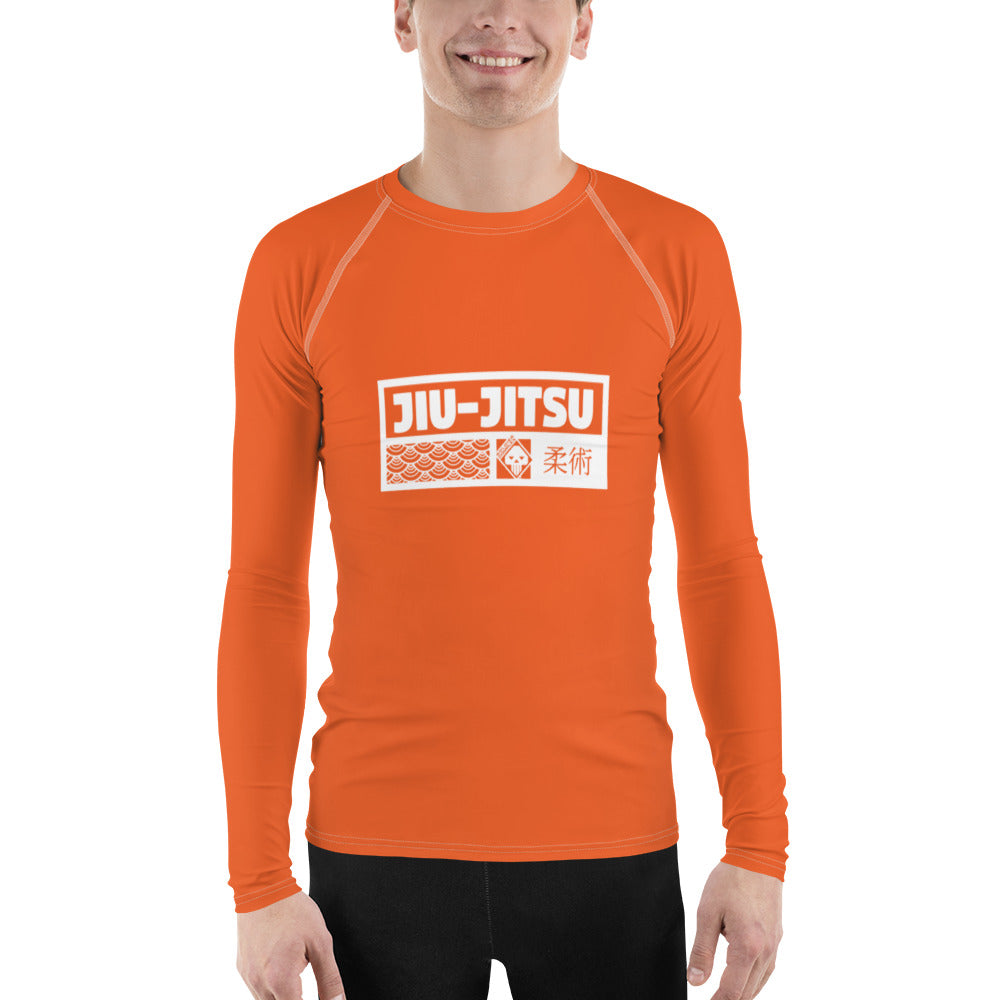
A properly tight men’s rash guard:
-
Outlines the torso
-
Supports the shoulders
-
Locks around the waist
-
Stays in place during inversions and scrambles
The fabric should stretch across the chest without flattening it or feeling stiff. Arm compression should be even from shoulder to elbow.
Women’s Rash Guard Tightness Standard
Women’s rash guards are built with:
-
Tapered waist
-
Contoured chest
-
Hip coverage
-
Balanced sleeve compression
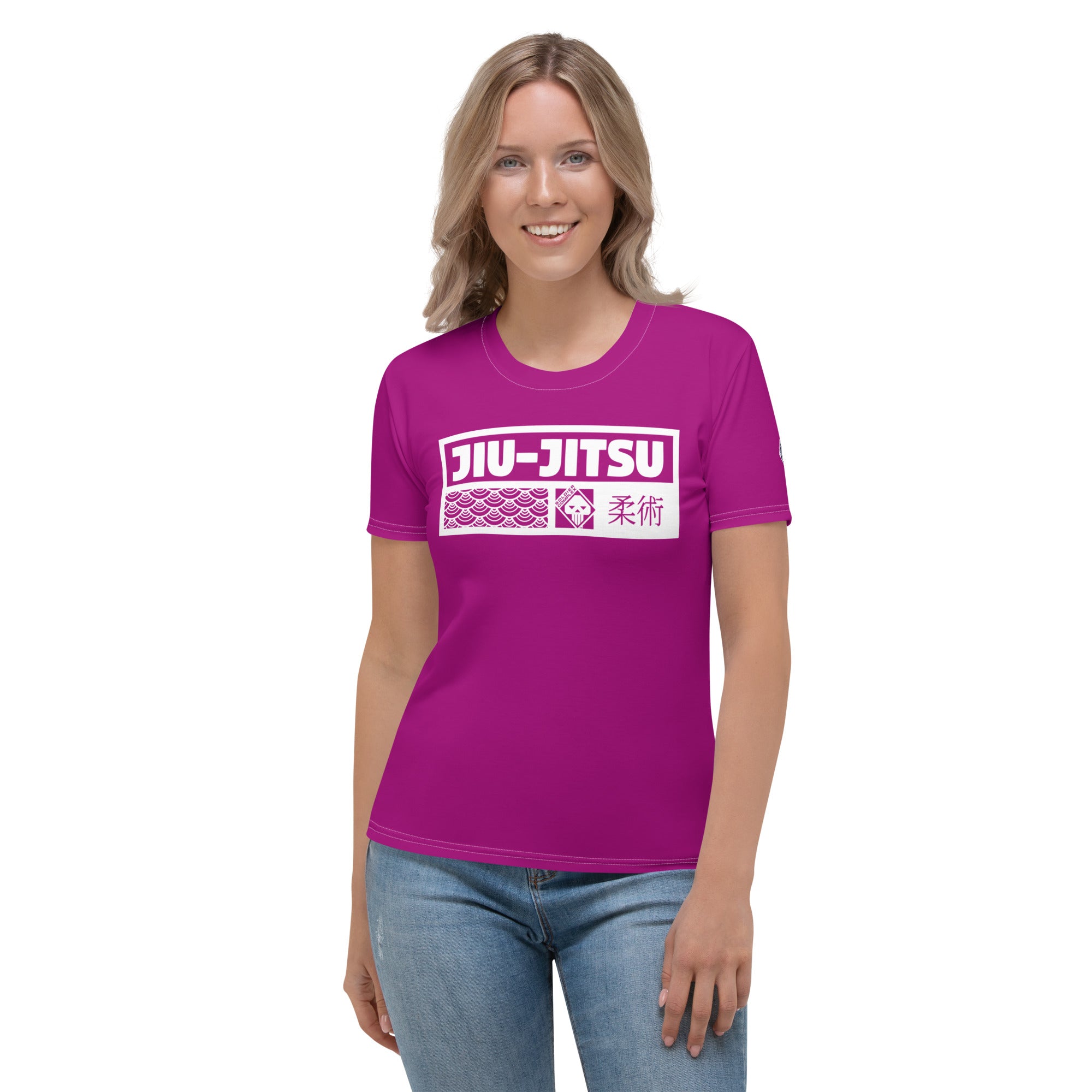
A properly tight women’s rash guard:
-
Supports the bust without compression pain
-
Follows natural curves
-
Does not gap at the waist
-
Does not ride up during movement
The fabric should move with the body and never shift out of place.
Long Sleeve vs Short Sleeve Tightness
Long Sleeve Rash Guards
Must fit snug through:
-
Biceps
-
Elbows
-
Forearms
-
Wrists
They should never:
-
Cut off circulation
-
Slide down
-
Wrinkle at the joints
Short Sleeve Rash Guards
Must fit snug at:
-
Shoulders
-
Upper arms
-
Chest
The sleeve opening should lie flat without squeezing or flaring.
Rash Guard Tightness During Movement
The true test of fit is movement.
A rash guard should remain stable during:
-
Shooting
-
Shrimping
-
Bridging
-
Rolling
-
Inversions
-
Striking
-
Clinching
If the rash guard rides up, shifts, twists, or folds during these movements, it is too loose or incorrectly sized.
Sweat and Heat Management
Correct tightness improves:
-
Evaporation
-
Cooling
-
Odor control
-
Skin dryness
Loose fabric traps sweat. Overly tight fabric blocks airflow. Proper compression allows moisture to move off the skin and evaporate instantly.
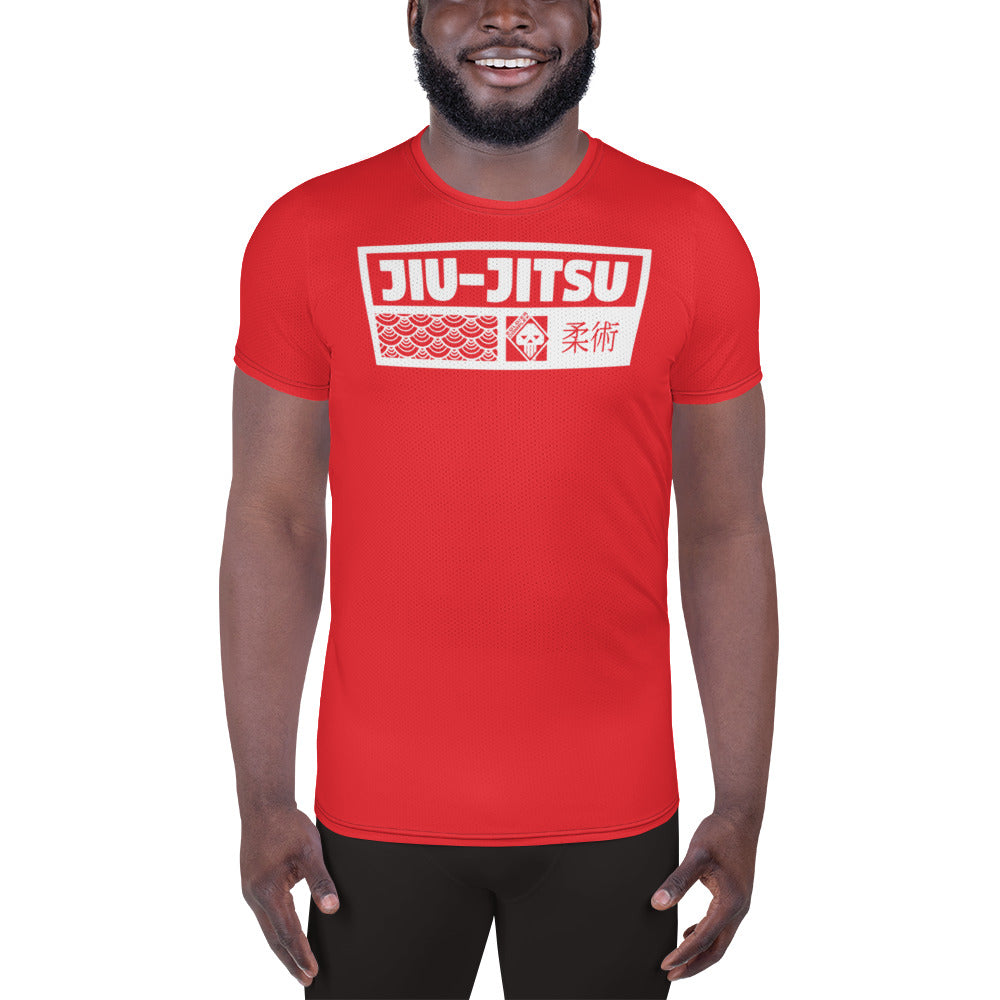
Muscle Support and Fatigue Reduction
When a rash guard fits properly, it:
-
Reduces muscle vibration
-
Supports joints
-
Maintains warmth
-
Improves endurance
This leads to:
-
Less fatigue
-
Better recovery
-
More powerful movement
How to Choose the Right Size
Use:
-
Chest measurement
-
Waist measurement
-
Height
-
Body type
Always prioritize chest and torso fit over loose comfort.
Rash guards are meant to feel tight when you put them on. They relax slightly once worn and warmed up.
The Performance Standard
A rash guard should:
-
Hug the body
-
Stretch when you move
-
Snap back instantly
-
Never shift
-
Never restrict
This is the true definition of performance tightness.
If you want the best rash guards in the industry --> Soldier Complex BJJ Rash Guards
📚 Supporting Articles
-
Why Are Rash Guards So Tight?
Explains why rash guards are designed to fit snugly for performance and protection. -
When Should You Wear a Rash Guard?
Guides athletes on training scenarios where a rash guard is beneficial. -
What Does a Rash Guard Do in Jiu-Jitsu?
Breaks down practical benefits and function on the mats. -
How to Wear Jiu-Jitsu Rash Guards the Right Way
Covers fit, pairing gear, and best practices for wearing rash guards. -
Are Rash Guards Worth It in BJJ? Absolutely! Here's Why
Discusses performance, injury prevention, and value. -
The Science Behind BJJ Rash Guards: Materials and Tech
Dives into the materials and construction tech that make rash guards effective. -
Breaking the Mold: Unique and Eye-Catching Men's BJJ Rash Guards
Showcases design styles and personalization options. -
What Is the Best Rash Guard for BJJ?
Helps readers choose quality gear that fits well. -
The History and Evolution of the BJJ Rash Guard
Adds context on how rash guards evolved in grappling culture.
More Information:
| Long and Short Sleeve Fitting Chart | |||||||||
| S | M | L | XL | XXL | XXXL | XXXXL | |||
| 160cm 5'2" |
165cm 5'4" |
170cm 5'5" |
175cm 5'7" |
180cm 5'9" |
185cm 6'0" |
190cm 6'3" |
195cm 6'5" |
200cm 6'7" |
|
| 55kg 121lbs |
|||||||||
| 60kg 132lbs |
|||||||||
| 65kg 143lbs |
|||||||||
| 70kg 154lbs |
|||||||||
| 75kg 165lbs |
|||||||||
| 80kg 176lbs |
|||||||||
| 85kg 187lbs |
|||||||||
| 90kg 198lbs |
|||||||||
| 95kg 209lbs |
|||||||||
| 100kg 220lbs |
|||||||||
| 105kg 231lbs |
|||||||||
| 110kg 242lbs |
|||||||||
| 115kg 253lbs |
|||||||||